





News
What is VLF Testing Used For?
Understanding VLF Testing
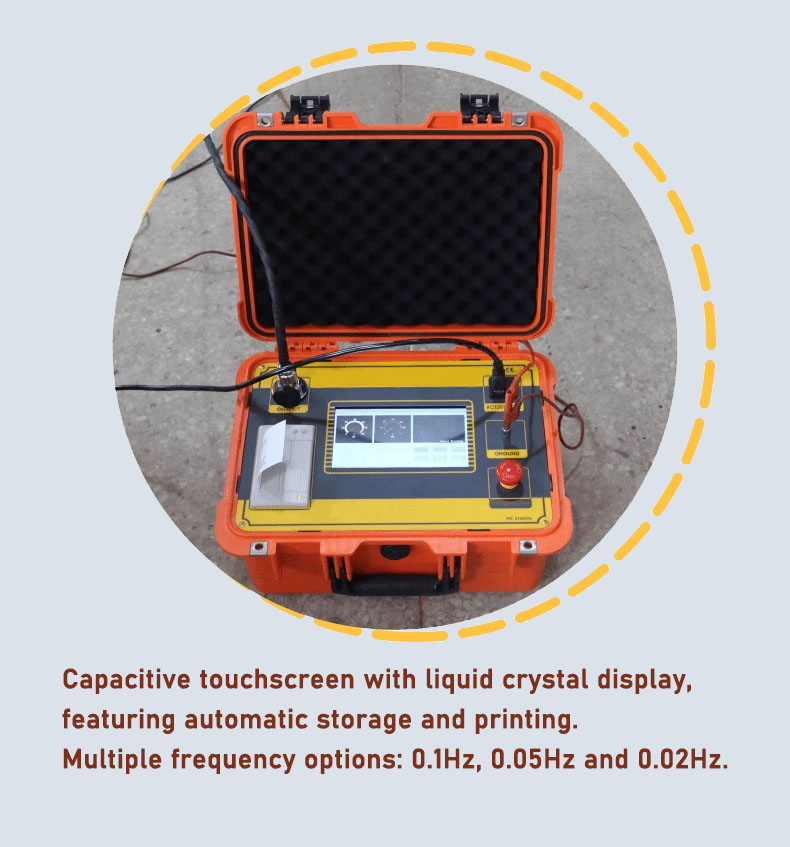
VLF testing uses an electrical voltage applied to a conductor with a frequency significantly lower than what is typically used for electricity distribution. This technique has created a low-cost method of developing, testing and diagnosing high voltage cables without causing damage to the cables themselves. The main instrument used in VLF testing is the VLF Hipot tester, which has the ability to produce high voltages, while utilizing an electrical frequency that is safe and manageable. Insulation faults in cables must be tested and diagnosed before major system failures or hazardous conditions occur.
The Purpose of VLF Testing
Testing using very-low-frequency (VLF) is typically carried out to detect any potential problems with high-voltage insulation prior to a failure of the equipment. This is especially important where there may be a high frequency of faults that lead to large amounts of lost revenue (e.g. power plants, utility distribution systems, industrial plants).
Technicians can perform a complete condition evaluation of the insulation’s reliability using equipment such as high-voltage (HV) VLF hipot equipment and test instruments.
Advanced Features of Modern VLF Hipot Testers
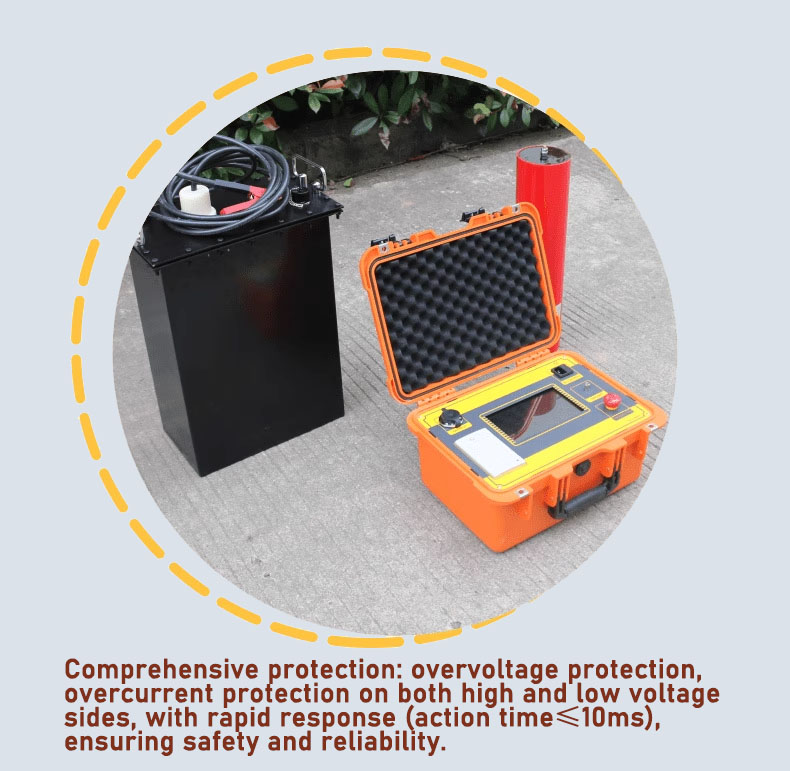
If you are searching for a quality VLF/Hipot tester for use in electrical maintenance applications, you should consider the upgraded features of the VLF/Hipot tester to ensure that they are efficient and effective. The most important features of a good VLF/Hipot tester will include having an 80 kV VLF hipot tester (more) and/or similar products available.
- Continuing the ability to support higher voltages for longer amounts of time, full AC voltage testing is provided with extended support to a maximum rated alternating current (voltage) of 24/31.8kVolts (for sinusoidal voltage).
- Testing combined ultra-low-frequency dielectric loss factor and applying withstand voltage to perform complete insulation analysis.
- Ensure that a wide variety of AC and DC waveforms can be used in your laboratory to enable different styles of testing.
- Sheath testing and pinpointing capabilities up to 10 kV for detecting specific faults in cables.
- Leakage current measurement to monitor and diagnose insulation strength accurately.
- Manual and automatic frequency adjustment for flexible application in different scenarios.
- High-Voltage Connection Disconnection Upon Detection of Voltage Breakdown for Safety.
- Save your test data onto a computer's hard disk drive and make sure to take advantage of the USB port for transferring them into the test report.
- Firmware updates via USB to keep the device updated with the latest features and functionalities.
Applications of VLF Testing
VLF testing is used in various settings including:
- High Voltage Cable Testing: One of the key elements in keeping up with the electrical distribution system is ensuring that the cables are functioning properly. In this regard; High Voltage Testing provides us with assurance of the reliability of your entire Electrical Distribution System.
The VLF Hipot Tester and Electric Test Equipment can be utilized for finding any weaknesses in cable insulation or protection, which will result in cable failures down the road.
- Documentation of Equipment Inspections: By integrating regular VLF testing into the maintenance process you can avoid unplanned outages and increase the operating life of your electrical assets.
Frequently Asked Questions (FAQ)
VLF Testing Objective: To test the insulation quality of high voltage cables/(equipment) by applying voltage to the sample(s); therefore, VLF testing will aid in preventing electrical failures.
High voltage cable insulation failures could occur due to high voltage cable insulation. Low frequency AC high voltages are used by VLF HIPOTs to test high voltage insulation. To give high voltage cable operators a means of evaluating potential failures in their high voltage insulation systems and also, ultimately, to determine if changing their insulation will improve performance.
A hipot tester evaluates if the insulation on an electrical appliance is thick enough so that no electrical leakage occurs while the device is being used.
Benefits of VLF Testing
Using a 80kV VLF hipot tester offers numerous advantages:
- Identifying potential insulation problems at an early stage will allow for preventative measures to be taken to avoid possible catastrophic failures.
- Cost-Efficiency: Early maintenance can avoid high repair costs and system downtimes.
Improved Safety: By periodically testing the insulation using VLF methods, we can verify that systems and equipment are operating within safe tolerances.
To sum up, testing of all types of extreme environments is necessary for verifying the performance and safety of high voltage electrical networks. The use of VLF testers, VLF hipot testers, and modern features such as automatic reporting and leakage current measurements will help engineers and technicians in establishing the long-term integrity and optimum functioning of critical infrastructure systems. Therefore, when you buy VLF testing equipment you are making a proactive investment to reduce your risk and minimize costs while providing assurance that your high voltage electrical network will continue to perform safely.